What is patient-centred care?

What do we mean by patient-centred care? This isn’t a trick question but an attempt to reach a consensual answer.

A common response is that it’s about placing the patient at the centre of the care process, and seeking to address what matters to them, akin to a tailor made suit, rather than using a ‘one size fits all’ approach.

Some definitions focus on the responsibility of health professionals to inform patients about their healthcare and give them a choice. It could be more than this, with patient-centred care being about the partnership between practitioner and patient, with this relationship rooted in sharing power, rather than upholding a paternalistic attitude.

It does not mean doing everything that a patient asks; it is not ‘patient centred’ to give out diazepam and opiates without restriction when the consequence can be a hard-to-manage addiction. Being patient centred in this scenario might include a discussion about the reasons for a request, negotiating and sticking to a management plan, arranging additional psychiatric support, or a number of other options.

Patient centred care is also about designing services that meet the needs of patients rather than the needs of the organisation. This implies that the public should participate in the planning and redesign of services, and the reshaping of policy.

There are pitfalls. One commentator points out: ‘Three proposals topped a poll of options for reform at the ‘listening exercise’ attended by more than 1,000 people in Birmingham: extending GP opening hours, annual health MOTs and more walk-in centres. This familiar list of the preoccupations of the professional middle classes confirms the way in which this focus group approach places the demands of the worried well over those of the seriously ill (or even of the not very well, but socially marginal).

‘Listening exercises’ tend not to include those who are ill, particularly the elderly, children, people with mental illness or learning disabilities, families with young children, those who are not fluent in English – in fact, the majority of our patients and certainly those patients most in need of healthcare services. These proposals will increase costs out of all proportion to benefits and are likely to disrupt continuity of care for those patients for whom this is the most important aspect of primary care services.’

The concept of patient-centred care encompasses all of the above – from the organisational, redesigning services end of the patient-centred care spectrum through to the individual interactions side. However, health professionals, educationalists, managers and patient representatives are all developing different meanings that reflect their own history and position. Without a consensus about patient-centred care, it is hard to see how we can agree on how to deliver it. 

Being patient centred does not just mean responding to the demands of a vocal few. It is also about providing accessible, reliable care to the sick, the sad, and the frequent attenders, and treating all patients with common decency.

What is ‘Realistic Medicine’ ?

All around the world, health care systems are talking about realistic medicine in some form or another. The words are not the same, but there is a common theme. In Canada, and in the UK, the movement is called ‘Choosing Wisely’ and in Wales, the conversation is about ‘Prudent Healthcare’. The ‘Choosing Wisely’ movement started in 2012, and is now internationally relevent, with over thirty countries and eighty specialist organisations engaged in the initiative.

At the heart of this new era in modern health care is the key idea that, just because we can do something, doesn’t mean it is right, ethical or reasonable to do it. Moreover, the goals of care for any particular patient should be the key priority against which any course of action should be measured.

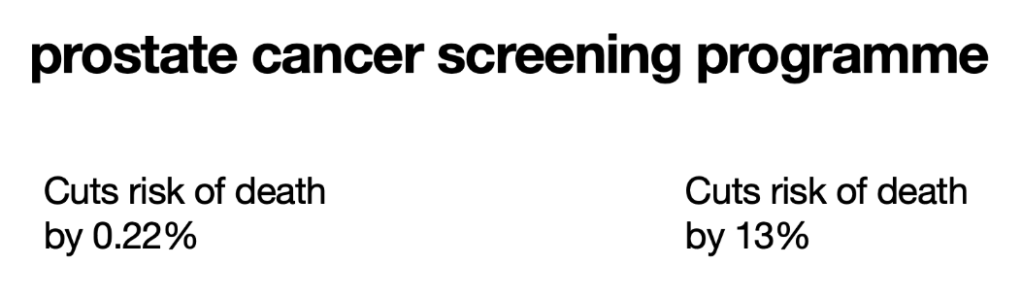
Patients need trusted information that helps them understand that more care, more technical and intensive investigations and treatments are not always better. Some tests and treatments do not necessarily lead to improved health, or achieve what matters to them.

A patient’s tale. Mr M is a fictional patient on a remote island in the Hebrides. He is 84 and lives in the home he was brought up in. He is quite lonely; many of his generation have died in recent years, and surviving friends are generally not fit to drive, in residential care or in poor health. He has advanced prostate cancer, chronic kidney disease and poor mobility due to painful osteoarthritis. He is frightened of dying away from his people. When he develops urosepsis, he is admitted to the community hospital a few miles away.

Should he be flown by air ambulance to a bigger hospital where he can be treated with gentamicin, and cared for in a high dependency unit? This level of care cannot be provided in the community hospital. Or should he be managed by a GP without gentamicin?

Mr M’s goal is not to leave the island for health care, as he would prefer to die locally, so the decisions about care are about meeting this goal. The GP, the lead nurse and Mr M discuss his goals, and then the risks and benefits of treatment options. He survives this infection, and his goals are recorded in his clinical record. He is relieved that his fears are acknowledged and heeded, and he feels supported in his decision.

This movement requires excellent communication with patients and the public, so that they can be fully engaged in decisions about their care, and empowered to set the goals of that care. These conversations can be intense, personal and emotional, if they are to be really meaningful.

This does not just change individual discussions between one clinican and a patient, it informs the mindset of the whole healthcare system. Public involvement in this discussion is growing. Some national consumer groups, patient organisations and disease-specific groups are adopting these ideas, so that patients feel empowered to begin the conversation with their clinicians.

Realistic medicine should be a core part of health literacy, whatever you call it. As equal partners, doctors and patients can both ask for and engage in these conversations, however intense they are, because they are a fundamental part of providing good health care.

Words that disempower patients

Linguistic determinism is a concept that says that the language you use shapes the way that you think. The words we choose can change the way we limit and frame understanding, knowledge and ideas, and alter memory, categorisation, and perception. It is no surprise, then, that it affects the relationship between doctors and patients.

I have kept an article from the British Medical Journal from April 2022 to reread. It discusses the use of medical language. The authors state that the medical profession, in using elitist and outdated language, ‘casts doubt, belittles or blames patients, and jeopardises the therapeutic relationship…’

Using language in a way that disempowers patients is endemic. I’m sure, as a younger doctor, and copying the phrases of my senior colleagues, it helped me overcome imposter syndrome. This sort of language is pervasive, and using it makes you ‘one of the team’.

One example describes the situation where the clinician is struggling to make sense of the patient’s story within the clinician’s attention span. The patient is described as being ‘a poor historian’ when their narrative account of their symptoms does not meet the expectations of the clinician. It is the clinician’s duty to listen, to understand their story, concerns and expectations. Our skill as doctors, nurses, or other health professionals, is to ask the right questions, to listen carefully and to recount the clinical history accurately.

Other examples, with alternative words:

  • Presenting complaint – reason for attendance – ‘complain’ has negative connotations.
  • Ceiling of care – goals of care – ‘ceiling’ implies a limit to the treatment on offer.
  • Not compliant – this phrase is used when the patient did not follow instructions, but there is usually no mention as to whether the patient had agreed to the initial plan. We could write ‘barriers to adherence include …’
  • Did not attend – barriers to attendance – some patients really struggle with transport, mental health, organisational skills; by identifying the barriers, we can help patients access care.
  • Patient claims – patient reports – ‘claim’ implies that the patient is not being truthful.
  • Patient denies – patient did not experience – ‘deny’ implies a lack of truthfulness, of withholding information.
  • Patient refused – patient declined
  • ‘Has the patient been consented?’ – in this example, the patient is a passive recipient of information, no record of what the patient has understood and retained about a procedure.
  • Substance abuse – has a substance use disorder – the first phrase is associated with patient blame.

Patients can report feeling child-like in clinical settings. For example in a diabetic setting, blood sugars can be ‘good’; does the opposite imply that the patient has been naughty and bad? Some patients recount feeling as if they have been scolded for their poor outcomes, or ‘treatment failure’.

Every so often, I come across another phrase that is part of routine clinical discussion, and discover a more human, collaborative way of putting my view across. I hope to find ways of validating the patient experience, and allowing patients the opportunity to collaborate in creating their care plans.

The key messages from the article:

  • Some commonly used language in healthcare characterises patients as petulant, passive, or blames them for poor outcomes.
  • Such language negatively affects patient-provider relationships and is outdated.
  • Clinicians should consider how their language affects attitudes and change as necessary.
  • Changing our language to improve trust and support shared decision-making is unlikely to harm patients.
  • Better use of language may help us to reach more patient-centred and realistic care plans.

Linguistic determinism https://en.wikipedia.org/wiki/Linguistic_determinism – The concept that language and grammar affect the way we limit and frame understanding, knowledge and thought, for example, memory, categorisation, and perception.

The article by Caitríona Cox and Zoë Fritz was published in the BMJ on 30th April 2022, (you can read it here: https://www.bmj.com/content/377/bmj-2021-066720)

Discussing life goals

https://doi.org/10.1136/bmj.l6018 (Published 13 November 2019)

I’m writing to highlight another article in the BMJ written by a patient about goal setting. The article is very simple, about a patient raising the issue of taking up running in an asthma review. It is also very deep, and considers the difficulty of breaking into the nurse’s routine review to raise the issue.

The Quality and Outcomes Framework included many items on a checklist to cover in an asthma review, and even though we are post-QOF in Scotland, we are still using our QOF template.

Some of the suggestions for patient participation made by the article are already in use. For example our asthma nurse makes good use of the self-assessment tools on the Asthma UK website.

I think that the real challenge to our practice is to encourage patients to set their own agenda before their appointment, and to make that appointment a space where the patient’s goals are at the forefront. I plan to take the article in to our practice as part of our preparation for ‘House of Care’

As the patient writing the article says: ‘These appointment had never felt like a two way conversation where I had the space to ask as well as answer questions’. What a wake-up call to all of us who run chronic disease management clinics. This patient felt apologetic raising her goals at the consultation, and this was done at the end of the time with the nurse.

I felt so strongly that the patient goals should be the first, biggest thing about chronic disease management reviews that I took the article in to work, and gave it to our LTC nurses to read. We need to come up with a new language and way of that invites these conversations, that creates this teamwork between clinician and patient naturally.

Citizens’ juries

2016 – the year I went to the International Forum of Quality and Safety in Healthcare in Gothenburg. There were many memorable moments. It inspired a passion in me for showcasing quality improvement in primary care and in Scotland. These ambitions are still to be realised.

It also took me to Jönköping where I visited Qulturum, an amazing resource for bringing healthcare improvement ideas into practice. Here is where I first saw a description of a citizen’s jury, and a reasoned explanation for why they are valuable.

Before this, I had only seen single patients being asked about single issues. These lone lay people have attended meetings, to represent all patients, all demographics, all ethnographic minorities, and orientations. The agenda has been set by the medical establishment, and the lay person has been, at best, a commentator. Their participation has allowed organisations to tick the box on patient participation.

A Citizen’s jury changes this. First of all, a group of people get to debate the issues. This gets around the need for one person to represent all demographics. Secondly, this is more than a poll. The jury is provided with facts, as well as well reasoned and possibly opposing expert opinions. Members of the jury develop knowledge about a specific policy area. They may call expert witnesses to present evidence relevant to the issue being explored. Their viewpoint is therefore both independent and well-informed, and not fixed to one demographic.

The BMJ published an analytical article examining how citizens’ juries can review current medical practice. The article looks at the role of these juries in evaluating acceptability and legitimacy of screening policies. Relevant examples are provided.

References:

How shared decision making cuts costs – a worked example.

I read with interest about Bernhoven Hospital in the British Medical Journal last year. The description of the ethos of the hospital is a good fit for what I aspire to in the provision of care in our community hospital. The beautiful idea is that ‘good healthcare starts with a good conversation – in this hospital we decide together’.

To read the original feature article: https://doi.org/10.1136/bmj.l5900 

The hospital, like many others in Holland, was trying to manage rising costs, but instead of cutting services, it aimed to reduce unnecessary interventions by focusing on patient-centred care and management of risk.

The article includes flowery imagery and the pictures of the beautiful wild flowers around the hospital, and the tone of the writing implies a hospital nirvana. The vignettes of two patients give us a little more insight of how they have pursued this agenda; it is a highly complex system, which has taken years to grow and will continue to evolve.

One thing that really caught my attention is that they started with a vision, which they have stated clearly. The medical director and his team set out to create a climate in which their vision could thrive.

Examples include good access to senior decision support and a suite of decision-making tools. They stopped paying clinicians for procedures done, and provided a fixed salary instead. They included medical staff as hospital directors, and patients as shareholders. They added telemonitoring, and online support, and gave patients more control over their follow-up arrangements. They rolled consultant clinics out to the community and built better multidisciplinary teams with allied health professionals. They set up weekly brainstorming sessions that didn’t just involve the interface between primary and secondary care; they included patients as well.

Lead by the vision, instead of focusing on the cost of components, they have taken a leap of faith. Looking at patient-centred care as an ethos has bought best value to patients and to the health care service.

When I read this article, I recognised with joy many of the values I hold myself; that patient-centred care and shared decision making is a core attribute of a successful health care system.

Our community hospital and our GP practice incorporate this style of work, but it is not up-front and in our faces. We do not explicitly reference this cornerstone with every new change in care provision. I have no clear idea where patient-centred care sits within our NHS board – the stated aim is ‘The best at what we do’ – which is not that specific.

This is a complex and evolving process, not one that can he copied and emulated with ease. I would love to go on a study visit to see how this works, perhaps with some senior managers from our own health-board.

The brand of Realistic Medicine in Scotland seems to be forging along the same path. The annual report published in April 2019 is called Personalising Realistic Medicine. It sets an expectation that the NHS in Scotland will engage clinicians, managers and patients in the redesign of services, enabling the delivery of realistic, patient-centred, therapeutic goals.

This worked example shows that putting values ahead of cost has lead to better patient experience, and that has turned out to be financially prudent.

The power of patients, five ways.

Our clinical work is about patients. In each consultation, we are a team of two, doctor and patient, collaborating on the solution to their clinical problem. Our services are organised to make best use of our clinical resources within the practice, the skills of our team members and the consulting space we are allocated.

However, our services could also be organised to make better use of the resources that patients bring with them. At the start of 2020, I am reflecting on five main areas where our patients have shown how they can shape the provision of health care. In 2019, our patients helped as research subjects, campaigned for new services, got involved in consultation and service design, helped to teach the next generation of doctors, and used their stories to help others access care.

Please note that I have got the permission of any patients mentioned in this article, and their contributions to health care are already in the public domain. Bear in mind that our practice only has 2,300 patients on average; for a small practice this is a high level of participation.

TEACHING

I’d like to thank all of our patients who have helped to teach the next generation of general practitioners. During the year, you have talked to school pupils, undergraduates, broad-based trainees and General Practice trainees, all of whom wanted to find out about the delivery of medical care in remote and rural areas. You have treated them with kindness and respect, and trusted them.

SERVICE DESIGN

This year, we have been extending the use of a program called ‘Attend Anywhere’ which allows patients to be seen on a videolink. We haven’t yet fully realised the possibilities of the software, but we have supported patients to access clinics on the mainland when they have been too unwell to travel. Several patients have collaborated in writing an information leaflet to support this. Even better would be a short video that we could play to patients; watch this space.

PARTICIPATING IN CLINICAL TRIALS

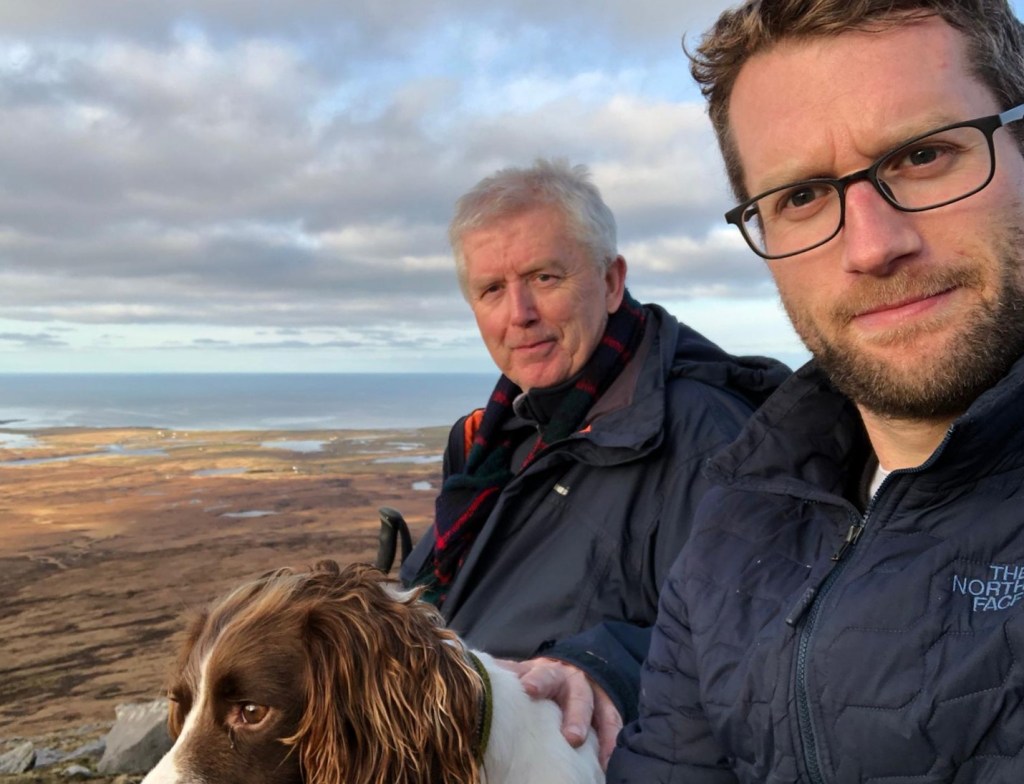
David wrote his own account of participating in a stent trial, and has provided evidence of his improved health; a photo from the top of Ben Mor. His own account is too long to be part of this article, so I’ve given him is own page. He participated in the October trial at the Golden Jubilee – and they wrote about him as well – here.

David and son, On top of the world.

He makes an important point at the end of his blog; his gratitude for good medical care was part of his motivation for participating in the trial. We all gain, our practice, our secondary care colleagues, and all of those patients who benefit from the advancement of clinical science.

HEALTH PROMOTION

On the 2nd November 2017, Shona received the devastating news she had been diagnosed with breast cancer.  On the 12th July 2018, she celebrated with her family and friends on completing her treatment. On the 1st October 2019, she shared her story online, to highlight to others the importance of checking their breasts and seeking help.

We are all influenced strongly by stories, especially when they are told by people like ourselves, people that we know and people that we trust. Shona has told her story to help others, and to support two campaigns; breast cancer awareness month, and the Scottish ‘get checked early‘ campaign.

CAMPAIGNING

SCAD, Spontaneous Coronary Artery Dissection, is a rare cause of heart attacks. It particularly affects women, and is not related to cholesterol, smoking or any of the usual risk factors. We have two patients in our practice who have been affected, and they have both been campaigning for better services in Scotland for patients with this condition.

One of our patients, Mary, has been one of the founder members of the Beat SCAD Scottish Patient Group. She has been travelling down to Glenfield Hospital in Leicester for specialist advice and follow-up after her SCAD heart attack; a long trip if your health is not the best. The Leicester clinic is currently only one of two in the UK specialising in the care of SCAD patients, and the patients support each other. The other clinic is in London.

With the aim of improving health care for Scottish patients with SCAD, Mary has represented the group and worked to raise their profile at clinical conferences and events up and down Scotland. The Scottish group aims to increase awareness of SCAD in Scotland, and is lobbying for a Scottish SCAD clinic, the development of guidance for managing SCAD in our national SIGN guidelines, as well as a national care pathway.

If you want to read more about the campaign, follow @mary_galb and @beatscaduk on Twitter.

These are just the stories I know about from 2019. I’m sure there are many more patients contributing to our National Health Service, teaching our clinicians, developing new services, participating in research trials, supporting other patients, and helping us to see what is important to them.

Indication prescribing

I’ve discovered a way of doing things that improves patients understanding of their medication, and it is so simple I can’t believe I didn’t always do it before.

Actually, I lie. I was already doing it sometimes, I just hadn’t named what I did, or thought about it.

When I prescribe paracetamol, it has been fairly normal for me to write ‘take two tablets four times a day for pain’. It is the same for most of the PRN medications I prescribe. However, for all routine medications, the directions say how, but not why to take the medication.

I changed that in 2019. When I review medications, I add the indication to the prescription. The whole practice including our attached pharmacist will start using this as the new standard. For Amlodipine, for example, the directions say ‘take one in the morning to lower blood pressure’. How simple it is to do that. We can program the new directions in as short-cuts too. We’ve not been completely reliable, but it is becoming a normal way of working.

Hopefully, this small step has added a smidge more information to patient-centred discussions and decisions about medication. Maybe a bit naive, some people will always take the four white tablets in the morning without question. Some other people will play a random game, like the woman who just put all her medication in a bowl like mint imperials, and took some every day.

Now, patients will have an easy opportunity to recall why they take their medication, as well has what that medication is. More information, better discussions, more patient-centred, realistic decisions.

A patient writes about participating in a clinical trial.

I was extremely fortunate that a chance comment about breathlessness to my GP following a walk up North Lee, quickly lead to some tests and a consultation with consultant cardiologist Dr. Stuart Watkins at the Golden Jubilee Hospital in Glasgow.

After a preliminary scan, I was diagnosed with restricted coronary arteries and required three stents, two of which were joined at a ‘Y’ shaped branch. This is a slightly more complicated procedure, and whilst he was explaining this to me, Dr. Watkins said that my case might be suitable to be included in a medical trial called ‘October’.

One’s first reaction when you have had a relatively serious medical diagnosis is that you just want to have the normal procedure as soon as possible and, in truth, the idea of being part of what sounds like a medical experiment is difficult to contemplate.  However, on a closer read through the information, and discussions with both my GP in person, and Dr. Watkins by phone, it was clear that the trial was not about a new type of stent or a new method of inserting them, but a different way of imaging the procedure as it was under way.  This new technology is believed to be particularly helpful in more complex Y branch stent procedures.  Thus reassured, I agreed to take part. 

When I arrived on the ward it felt a bit like being treated as a VIP.  Not only did I have all the normal high quality care and attention one would expect from the nursing staff, but I had a second nursing team working on the trial looking after me too!  The senior trial nurse explained to me that I was the first patient to be on the October trial at the Golden Jubilee, although many other patients had been involved in other similar trials using the new imaging technology all over the world.  Also that the trial was ‘randomised’, with patients being selected by a computer programme when the procedure was already under way.

Catheter labs are very busy high tech places with what seems to the patient to be masses of staff and equipment, and the trial adds to both staff and equipment so makes it even busier.  As the moment approached for the new imaging equipment to be turned on, the trial nurse started the randomising computer programme running, and a few seconds later she announced that I hadn’t been selected!  So my procedure was then finished in the normal way.  As soon as it was completed, Dr Watkins reassured me that because the arteries were at the front of my heart they were easily visible using the standard imaging technique anyway, and that he was very pleased with the results.

Afterwards, as I was patient ‘no 1’ on the trial, Dr Watkins and the senior trial nurse came to the ward and we had our photo taken for the hospital magazine.  The trial nurse contacts me every few months to check I’m OK and will do so yearly for the next 10 years.

My recovery was incredibly quick.  I was able to start taking short walks after a few days of taking it easy and headed up Rueval after around 6 weeks – accompanied by my District Nurse sister.  Then in the summer I walked up Eaval with our younger son Joe, feeling absolutely back to normal in terms of fitness.  Now I walk our dog twice a day for an hour and also go swimming once a week.

My recovery has been monitored by the Uist Cardiac Nurse and I’m just about to attend my final clinic.  She says I’m a model patient, but I take a different view.  In the Golden Jubilee ward I was surrounded by patients who had suffered much more serious cardiac problems, so I feel I’ve been incredibly fortunate to live on Uist and experience such fantastic medical care which has allowed me to return to my normal life.  I will always be grateful for this, and participating in the ‘October’ trial and hopefully benefiting medical science in a small way in the process, is as good a way as any of saying thank you.

At the top of Eaval in North Uist

Preparing for the Benbecula House of Care

We are preparing for a new way of working in our practice. The idea is that we take what we do, and we supercharge it. Some of it sounds quite obvious.

Take the review of chronic diseases. At the moment, patients get called in for a pre-appointment check, then come back to see the nurse practitioner for a review of their condition.

The change is quite simple and also completely revolutionary. After the pre-appointment check, the patient is sent an update on their health, including any important areas to discuss, and space for them to consider what the key issues are for them. When they come to meet the nurse practitioner, the patient gets to choose which aspect of their health is most important for review, and for choosing which goals to set for the year ahead.

One of the key steps is how we reframe the review appointments. I personally believe that this is crucial: if we as a practice don’t understand and embrace this step, then all of the other changes are not going to be fully effective. This is the goal, the inspiring change.

I was very pleased to come across an article in the British Journal of General Practice: Setting goals with patients living with multimorbidity. Even the title is great – the goals are set with the patients, and they are the ones who are living with multimorbidity. The full article is in depth, and qualitative. The authors analyised 10 hours of VC to determine how goal setting is done. They describe ‘bearing witness’ to the patients goals. They conclude that this process requires a lot of time and energy from both parties, and it worked best when both GP and patient were prepared in advance.

I’m keeping that summary in mind, both for when we attend our training in Harris, and for when I prepare the staff-room QI noticeboard.